
Thomson & Bancks Solicitors has a proud history shaped by strong leadership, resilience and progress. As we mark International Women’s Day this year, we wanted to reflect on 115 years of collective action towards gender equality and embrace this year’s theme, Give to Gain.
Give to Gain recognises that when we invest time, opportunity and advocacy in others, we all benefit. Supporting women to thrive strengthens organisations, builds inclusive cultures and accelerates meaningful change. What this means to us, at Thomson & Bancks, is a commitment to practical action and visible progression.
Today, 77.8% of our Partners and 83.6% of our overall team are women. These figures significantly exceed the latest Solicitors Regulation Authority (SRA) diversity averages and reflect our belief that opportunity should be shared.
The Give to Gain ethos matters greatly to Thomson & Bancks, and our Partners always encourage staff to be the best they can and support them with their careers where possible, no matter their gender, age or ethnicity. We want to ensure we continue to have a cohesive, team focused workplace for many generations to come.
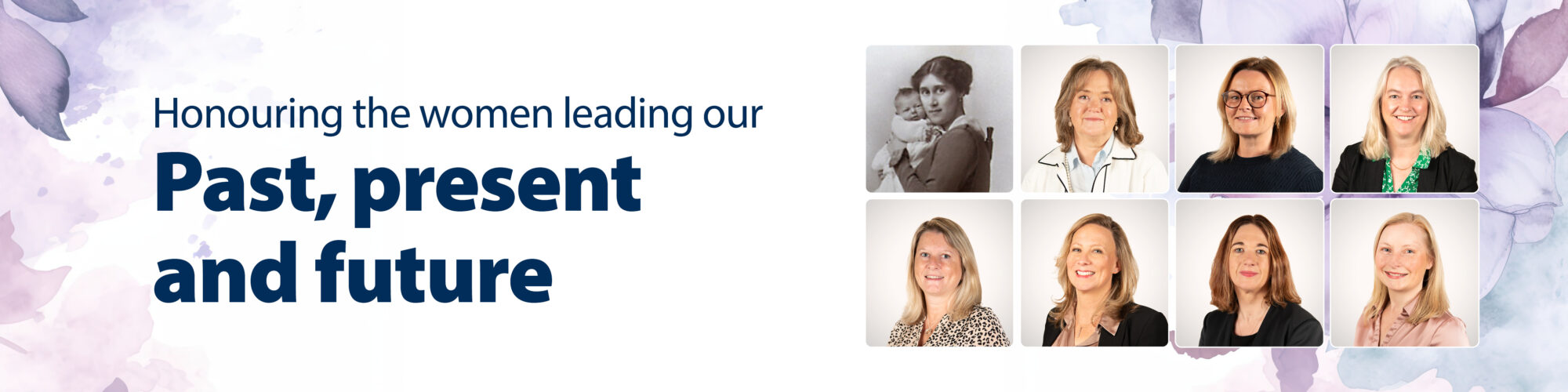
Spotlight on the women shaping our firm
The strength of Thomson & Bancks lies in the experiences and leadership of the women who shape it every day. We took the time to sit down with them and get their thoughts on their journey as a woman in the legal sector.

What advice would you give to women aspiring to partnership or senior leadership?
“Having a mentor who is a strong role model, who can provide support and who can also help you to develop your legal and personal skills is invaluable. I have been very fortunate in my career to have had such individuals who have helped me reach my working goals.
“Progressing a career as a woman and a working parent can be challenging at times but also rewarding when you ultimately fulfil your aspirations. Focus, determination and hard work along with the ability to work with and listen to your colleagues are important skills which also enable you, within a partnership/leadership role, to make effective decisions for the business.”

If you look back, who supported you in your career, and what difference did that make?
“I started off as a criminal trainee lawyer 41 years ago in the East End of London. As a naive 22-year-old I thought that was where all the criminals were; after all the Krays had been there! The reality of police stations in the middle of the night, identity parades held in tube stations, Customs & Excise drug arrests and interviews, a host of prison visits and one rapist later, I decided criminal work was not for me! It had certainly toughened me up.
“I moved to Mayfair, working in an amazing niche business practice as a commercial property trainee lawyer. The best description was like working in a real-life episode of Suits with lots of corporate wannabes in striped shirts with white collars and braces! They amused me! It was glamourous and exciting, but we worked hard. I was just off Bond Street in a beautiful regency building with plush carpets, décor and everything else you could imagine. I bought a mink coat on my credit card and lived in high heel shoes, spending after hours in wine bars! Life in the 80s! We worked through the night if a deal required it, but I learned quickly being supported by Michael, one of the senior partners. He was marvellous, kind, encouraging and passionate about what he did and taught me a lot. He always looked on the verge of a heart attack through stress, but I made endless coffees in the wee small hours just to keep going.
“I felt supported if I needed a second opinion, went to completion meetings feeling very grand with one of the first mobile phones, which was about 12 inches square, and you wound it up. It weighed a tonne and looked like something from Bletchley Park. Love got the better of me, and I left London to join my now husband in Birmingham. I was so sad to leave Michael with so much more to learn from him, but life moves on. Here I am 40 years later, and I have no idea where the time went!”

What is one action you consciously take to support the next generation within the firm?
“I proactively discuss progression plans to ensure that junior staff are on board with how we wish to progress them, and to ensure they are aware that they are on the journey with us. I try to use examples from live matters whenever possible, especially for staff that are still studying to enable them to put what they are learning into practice.”

What have you gained personally or professionally from supporting others?
“Supporting my team provides tangible benefits for us all; by creating a supportive environment, I see daily that performance and morale are greatly improved. A well supported team with open communication is a happy, motivated team with lower stress levels, who works collaboratively, effectively and efficiently, which benefits the individual, the team as a whole and of course the client. Working within the team, as a busy fee-earner myself, means I fully understand the pressures of the job and I am on hand whenever needed to lend a hand. As a result of working in this way, we have a good reputation professionally for training, supporting and retaining staff as well as providing excellent customer service to our clients.
“I joined the Partnership in 2007, having only been qualified as a solicitor since 2002, so a steep learning curve for me in all things managerial! However, guiding my colleagues has helped me enormously to develop as Head of Department. Every day is different, often challenging, but always rewarding; it may be inducting a new member of the team in the way the office works, sharing experience and knowledge to overcome a colleague’s difficult task, or simply saying ‘well done’ to acknowledge their hard work and effort. Managing my team gives me an enormous sense of pride; seeing the team we have built, and continue to build, together and the excellent work we do.”

What impact do you hope to have on the firm’s culture?
“On International Women’s Day, I have reflected on the impact the shift in women’s roles in the workplace has shaped work culture, and that these aren’t just words on a page, but real-life journeys and lived experiences.
“My own career path hasn’t been linear. I studied for my CILEX Legal qualifications whilst working in a legal practice, I have taken maternity leave three times, and have built my experience and career alongside raising my children. I manage a full workload with a very busy and full home life, and now I am at the stage of life where I am also looking after elderly parents. This life experience has shaped what I value: progress that is ambitious, but also sustainable. As a mother of daughters, I want them to expect a high standard for themselves, and that being female does not limit them in any of their dreams or ambitions – they can be whatever they want to be.
“The cultural shift I care most about is moving away from outdated ideas about what commitment to a career looks like. Being constantly visible in the office isn’t the same as delivering excellence. Asking for flexibility doesn’t mean a lack of drive, ambition or a passion for what you do. I want to continue building a culture where people – especially women – feel trusted, supported and empowered to fulfil their potential without feeling they must choose between career and family.
“Our ethos is ‘You Matter to Us’. For me that isn’t just a statement – it is a standard. It not only is the standard for our service to our clients, but also incorporates our commitment to our staff. It means recognising everyone’s path is different and that life outside work matters, and that when people feel seen and valued, they perform their best.
“In practice, I try to be open about balance and focused on outcomes and actively champion talented colleagues. Looking ahead, I want our firm to be a place where high performance and real-life work together – not against each other. If we get that right, we won’t just attract great people; we will enable them to thrive.”

What motivates you on challenging days?
“On challenging days, I remind myself why I do the job – usually after a quiet cup of tea! People often come to us when something important or stressful is happening in their lives and being able to help in a calm, practical way really matters to me. That sense of trust that the client has placed in me is a big motivator, even when things feel busy or pressured.
“I am also motivated by my children, who keep me grounded and have a wonderful way of bringing you back to the present moment. Balancing work and family life has shaped how I approach my role and, I think, made me more understanding of what people might be juggling outside work.
“I’m lucky to work with supportive colleagues, and that makes a real difference. Knowing we can rely on each other and work things through together helps keep everything in perspective, even on the more challenging days.

What’s the best career advice you’ve ever received?
“My training partner in London in 2000 told me being a solicitor is not just about legal knowledge, it is understanding the client’s own business requirements, building relationships with them and managing client expectations.
“Then, as a newly qualified solicitor, I soon realised it was not just understanding the legal concepts alone which were required in this profession. I already had that foundation of legal expertise which would grow, but I also needed to use and acquire skills to develop the client relationship, which is key, and having an insight into their business structure and future plans assisted with negotiating transactions.”
Remembering Gwyneth Bebb
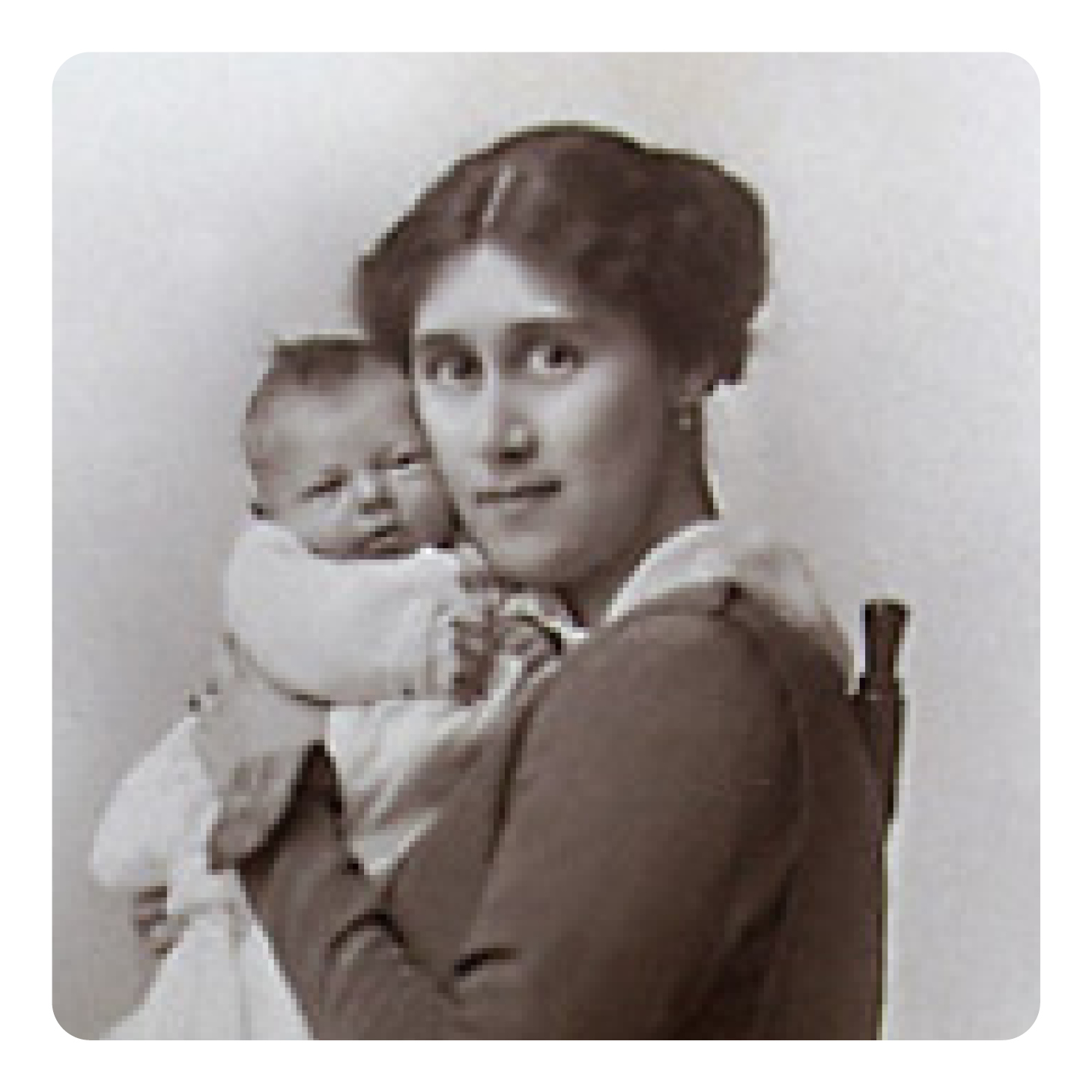
Our history is closely connected to one of the most significant early figures in the fight for women’s equality in law.
Gwyneth Bebb, wife of our founder T Weldon Thomson, is best known for bringing the 1913 case against The Law Society after being refused entry to its preliminary examinations. Despite achieving first class marks at St Hugh’s College Oxford in 1911, she was denied the opportunity to qualify because women were not recognised as “persons” under the Solicitors Act.
Although she lost the lawsuit against The Law Society, her determination helped pave the way for the 1919 Sex Disqualification Removal Act, which finally allowed women to enter the legal profession. She was admitted to Lincoln’s Inn in 1920 shortly after the Act was passed. She was one of the original suffragettes quietly pursuing the cause in the background.
Tragically, Gwyneth died aged just 31 and never saw the full impact of her contribution. Her courage and persistence remain an important part of our legacy and a powerful reminder of how far the profession has come.

Progress made and work still to do
While women now make up 53% of lawyers in law firms (up from 48% in 2015), partnership figures tell a different story. According to the SRA:
- 32% of full-equity partners (the most senior levels in law firms) are women
- 47% of salaried partners are women
- 62% of solicitors are women
Against that backdrop, our own partnership structure stands as proof that change is possible. Female representation across our firm remains significantly higher than industry averages.
We recognise that progress requires constant effort. Give to Gain means creating visibility, challenging bias and ensuring opportunity is shared.
Our commitment
Our ethos is simple: You Matter to Us.
That applies to our clients and to our people. It means recognising that career paths are rarely linear. We value flexibility alongside ambition, and we take time to invest in future leaders.
When we give support, we gain stronger teams. When we champion talent, we gain innovation. When women thrive, we all rise.
International Women’s Day is a moment to celebrate, and is also a reminder that the opportunities many enjoy today were hard won by women like Gwyneth Bebb.
You can follow Thomson & Bancks on Facebook, X, LinkedIn and Instagram to keep up with the latest news and articles.