
Energy efficiency is becoming an increasingly important consideration in the commercial property sector. Landlords, tenants, investors, and developers must understand Energy Performance Certificates (EPCs) and Minimum Energy Efficiency Standards (MEES) as they are essential to ensure compliance and avoid costly penalties.
With further changes expected in the coming years, now is the time to understand your obligations and plan ahead.

What EPC rating is required for commercial properties?
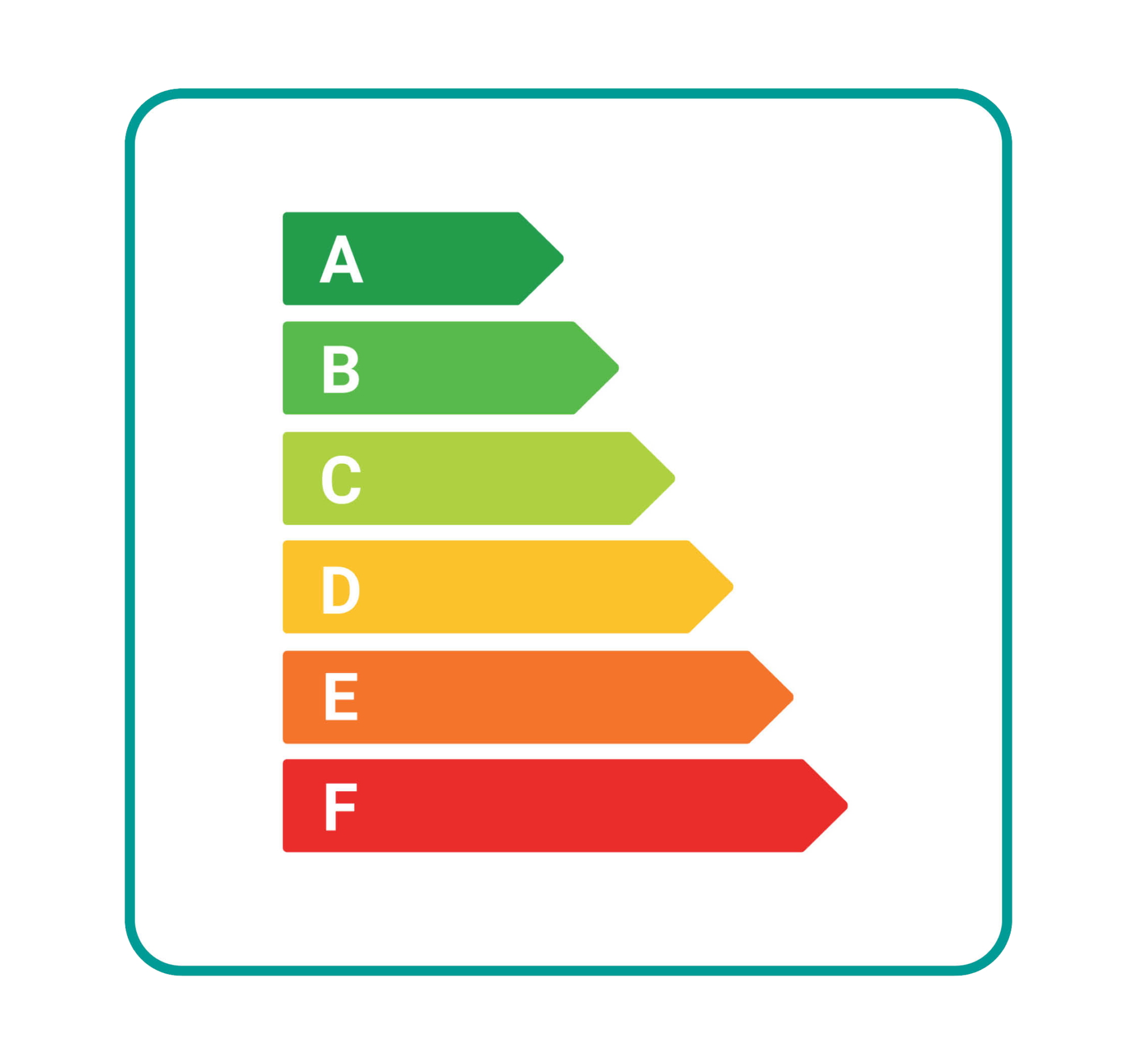
Under the MEES regulations, commercial properties must achieve a minimum EPC rating of E before they can be legally let.
Any commercial building with an EPC rating of F or G is considered “substandard” and cannot lawfully be rented out unless a valid exemption has been registered.
An EPC must be obtained before a commercial property is marketed for sale or lease. To do this, a qualified energy assessor will need to inspect the property and prepare the certificate.
Can landlords apply for an exemption?
In some circumstances, exemptions may be available where a property cannot reasonably be improved to meet the required standard.
One of the most common exemptions applies where an independent surveyor confirms that the recommended energy efficiency improvements would not pay for themselves through energy savings within seven years.
Another exemption may be available where necessary permissions cannot be obtained. This could include situations involving listed buildings where listed building consent has been refused by the local authority.
However, exemptions are not automatic and must be properly registered. In most cases, landlords will still be required to carry out improvement works to bring the property up to at least an EPC rating of E.
Future changes to EPC and MEES regulations
The government continues to place greater emphasis on improving the energy efficiency of buildings across the UK.
For residential lettings, the minimum EPC requirement is set to increase to a rating of C from April 2027.
While no confirmed dates have been announced for commercial properties, previous government proposals suggested a minimum rating of C by 2027 and B by 2030. It is widely expected that revised timelines will be introduced, but commercial property owners should monitor government announcements closely and begin planning for future upgrades.
Properties that only just meet the current minimum standard may require significant investment in the years ahead.

Penalties for non-compliance
Failing to comply with MEES regulations can have serious financial and reputational consequences.
For commercial properties, penalties can reach up to £150,000. In addition to financial sanctions, local authorities have the power to publicly disclose breaches, effectively naming and shaming non-compliant landlords.
There are also wider commercial implications. Properties that fail to meet minimum energy standards may be less attractive to buyers, lenders, and prospective tenants, potentially affecting both value and marketability.
Importantly, it is unlawful to continue letting a substandard commercial property unless a valid exemption has been registered.
Due diligence for buyers and tenants
Before completing a commercial property transaction, buyers and tenants should carefully review a property’s EPC status.
The EPC rating can be checked through the government EPC register, where the certificate and accompanying recommendation report can be accessed. The recommendation report provides details of suggested improvements that could enhance the property’s energy efficiency.
If the property has a substandard rating, buyers and tenants should also verify whether a valid exemption has been registered through the PRS Exemptions Register.
Given the likelihood of stricter EPC requirements in the future, it is also sensible to assess the potential cost of achieving higher ratings, such as C or B, before committing to a purchase or lease.
For tenants, particular attention should be paid to lease terms that deal with responsibility for future energy efficiency improvements.
Who is responsible for improving an EPC rating?
In most cases, the landlord is legally responsible for ensuring that a commercial property complies with the minimum EPC requirements.
This means the landlord is generally responsible for arranging and funding any improvement works required to achieve compliance.
However, the position can become more complex in commercial leases. Some leases may allow landlords to recover certain costs through service charges, while others may place obligations on tenants to maintain the property’s EPC rating during the term of the lease.
For this reason, both landlords and tenants should carefully review lease provisions and seek legal advice where necessary to understand their respective responsibilities.
Risks of letting a property with a substandard EPC Rating
Letting a commercial property with an EPC rating below E, without a valid exemption, is a breach of the MEES regulations.
In addition to facing financial penalties, landlords may have details of the breach published on the public register, creating reputational damage alongside regulatory enforcement.
As energy efficiency standards continue to evolve, non-compliant properties may also become increasingly difficult to finance, insure, sell, or let.

Preparing for the future
EPC and MEES regulations are already having a significant impact on the commercial property market, and further changes are expected over the coming years.
Landlords should review their property portfolios now to identify any buildings that may require improvement works, while buyers and tenants should ensure that EPC compliance forms part of their due diligence process.
Taking proactive steps today can help avoid enforcement action, protect property values and ensure compliance with future energy efficiency requirements.
Need advice on EPC and MEES compliance?
If you are a landlord looking to let a commercial property, a tenant negotiating lease terms, or a buyer carrying out due diligence, obtaining legal advice at an early stage can help you avoid costly mistakes and ensure compliance with the latest regulations.
Thomson & Bancks’ commercial property team can advise on EPC and MEES requirements, review leases and transaction documents, assess potential risks, and help you understand your legal obligations before entering into a property transaction.
To discuss your commercial property matter or arrange an appointment with one of our solicitors, please get in touch with our team today. We will be happy to guide you through the process and provide practical, tailored advice for your circumstances.
Stay tuned for our next blog, which will cover EPCs and MEES for residential properties.
You can follow Thomson & Bancks on Facebook, X, LinkedIn and Instagram to keep up with the latest news and articles.